
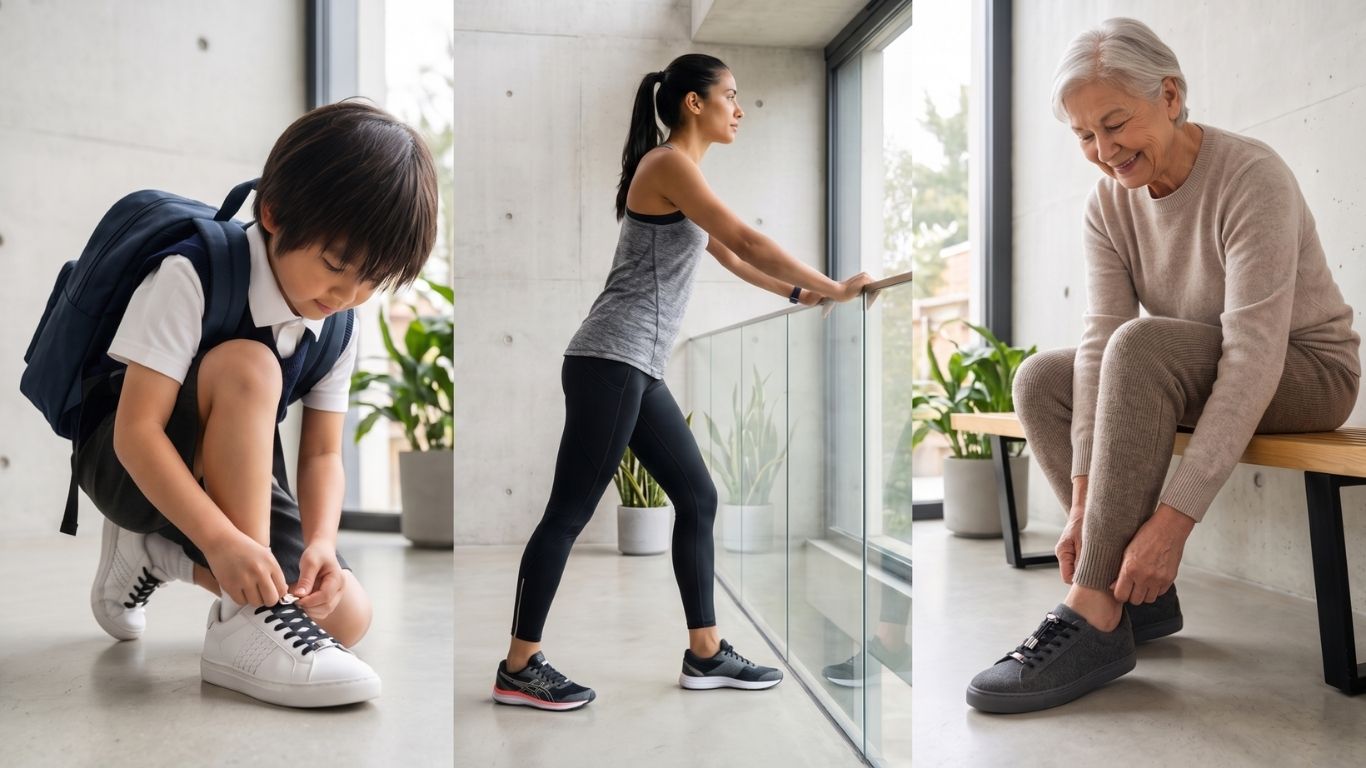
There’s a moment most parents know well. You’re already running late, your child’s shoes are undone again, and the shoelaces you’re wrestling with have somehow turned into a knotty philosophical problem.
Or maybe someone you love is finding that small, everyday tasks take more out of them than they used to. Bending down to tie shoelaces several times a day becomes one of those quiet frustrations.
No-tie shoelaces exist for both of these situations and everyone in between.
In this ultimate guide to no-tie shoelaces and elastic lace systems, we'll explain how they work, the different styles available, and how to choose the right option for your shoes and lifestyle.
A guide to understanding no-tie shoelace systems and choosing the right one.
Use the quick links below to jump straight to the section you need.
- TL;DR
- Understanding No-Tie Shoelace Systems
- How elastic lace systems work
- Types of no-tie shoelaces
- Which system should you choose?
- Benefits of no-tie shoelaces
- No-tie elastic laces vs silicone
- How to install them
- Frequently asked questions
Ready to upgrade your shoes?
TL;DR
No-tie shoelaces replace traditional laces with elastic or silicone systems that stay securely fastened without needing to be tied every time you wear your shoes.
The best option depends on how you'll use them:
- Speed Laces: Best for running, triathlon, hiking, and active lifestyles.
- Capsule Lock: Best all-round elastic no-tie shoelaces for everyday sneakers and walking shoes.
- Black Capsule Lock: Ideal if you want a premium all-black finish for dark sneakers.
- Buckle Lock: Best if you want no-tie convenience while keeping the look of traditional shoelaces.
- Magnetic Lock: Best for seniors, arthritis, reduced dexterity, and everyday convenience.
- Silicone No-Tie Shoelaces: Best for kids, school shoes, and anyone wanting the simplest lock-free solution.
This guide explains how each system works, the benefits of no-tie shoelaces, and how to choose the right option for your shoes and lifestyle.
Understanding No-Tie Shoelace Systems
No-tie shoelaces keep your shoes securely fastened without the need to constantly retie them. Instead of the traditional loop-cross-tuck routine, elastic shoelaces and other no-tie systems use stretch materials and locking mechanisms to hold everything in place. Slip your foot in. Done.
They’re built to last. No-tie options are typically made from synthetic rubber or reinforced nylon, making them durable, easy to clean, and far less likely to leave you kneeling on a dirty footpath to re-tie your runners.
They’re not just a novelty. Runners use them in performance footwear, parents rely on them for school shoes, and travelers value them at airports.
And increasingly, people living with autism, multiple sclerosis, arthritis, and other conditions use them to reclaim a small but meaningful piece of daily independence.
For these users especially, laces that stay tied aren’t just a convenience; they make a real difference.
How elastic lace systems work

At their core, most no-tie shoelaces rely on controlled tension rather than traditional knots. Premium elastic shoelaces stretch naturally with your feet while a locking or fastening system keeps them securely in place. This combination allows shoes to be worn like slip-ons without sacrificing comfort or support.
Depending on the system you choose, the laces are secured using:
- Capsule locking systems
- Buckle lock systems
- Magnetic lock systems
- Nylon cord locks (Speed Laces)
- Individual silicone T-anchor straps
The result is a consistent fit that expands and contracts with movement while remaining securely fastened throughout the day.
Types of no-tie shoelaces
Not all no-tie shoelaces work the same way. The right choice depends on your shoes, your lifestyle, and what you need them to do day-to-day.
Our No-Tie Shoelace Size Chart below provides a quick guide to help you understand sizing, and fit before selecting a no-tie shoelace system.

Below is a simple breakdown of the main types available and who each one suits best.
Silicone no-tie shoelaces

Individual silicone straps replace traditional laces. Each strap threads through a single eyelet and locks into place with a discreet T-anchor system.
Made from silicone, they flex with movement and return to shape, providing a secure yet comfortable fit that adapts throughout the day.
This style is ideal if you want a clean, minimal look while prioritizing speed and convenience.
Shop Silicone No-Tie Shoelaces
Elastic cord with nylon lock system (Kicks Speed Laces)

A single elastic lace runs through all eyelets and locks in place with a quick-adjust cord system, giving you a secure fit in seconds.
Built for performance and designed for speed, this system removes the need for tying altogether.
It’s a popular choice for runners, triathletes, and environments where speed matters.
Elastic no-tie shoelaces with buckle lock system

These flat elastic shoelaces feature a low-profile press-clip buckle that sits neatly at the top of the shoe.
From the outside, they look almost identical to traditional laces, no bulky hardware, no dangling loops.
Once you set your tension, the buckle locks it in place and holds it all day.
This is a great option if you want the convenience of no-tie shoelaces without the sporty or technical look.
Shop Buckle Lock No-Tie Shoelaces
No-tie shoelaces with magnetic lock system

Strong magnets click together to fasten your shoes, no threading, no small toggles, and no grip strength required.
Made from zero-memory elastic rubber, these laces stay secure throughout the day while remaining easy to adjust when needed.
This system is especially well-suited to people with limited hand strength or reduced dexterity, offering a simple, effortless way to stay independent.
Shop Magnetic Lock No-Tie Shoelaces
Oval no-tie shoelaces with capsule lock system

These oval elastic shoelaces are cut to your preferred length and secured using a discreet capsule lace lock to connect the ends.
There are no knots, just a small, discreet capsule lock, creating a clean, streamlined finish that keeps your shoes looking minimal while staying secure.
This system works especially well for everyday wear and for anyone who spends long hours on their feet.
Looking for a premium all-black finish?

If you wear black sneakers, school shoes, or monochrome footwear, our Black Capsule Lock No-Tie Shoelaces combine the same secure elastic lace system with matching black hardware for a clean, understated look that blends seamlessly into your shoes.
The benefits of no-tie shoelaces

The most obvious benefit is convenience, but it goes further than that.
- Independence. For people with arthritis, limited grip strength, or conditions affecting fine motor control, no-tie laces remove a daily frustration and restore a simple but meaningful level of independence.
- Safety. Loose laces are a genuine trip hazard. No-tie systems stay secure, which is especially important for children and seniors, where even a small fall can have serious consequences.
- Comfort. Elastic shoelaces naturally adjust to the shape of your foot throughout the day, reducing pressure points and improving circulation. As feet swell with activity, they expand and contract with movement to maintain comfort instead of tightness.
- Time. No more bending down to retie shoes multiple times a day. Whether you’re a parent, a runner, or just tired of dealing with knots, the time savings quickly add up.
- Style. Available in a wide range of colors and finishes, no-tie shoelaces let you maintain your look without compromise. One pair often does the job, though many people end up upgrading multiple shoes.
- Cleanliness. No more kneeling on dirty footpaths or wet surfaces. Slip your shoes on and go.
Which no-tie shoelaces should you choose?
Different lifestyles need different no-tie systems. Here’s a simple guide to help you choose the right no-tie shoelaces for your needs.
Sport & running
Kicks Speed Laces are the clear choice for athletes, and not just because they’re fast.
Kicks founder Steve was converted after completing his first 70.3 Ironman and never looked back. One pull, locked in, and you won’t be stopping mid-run to adjust anything.
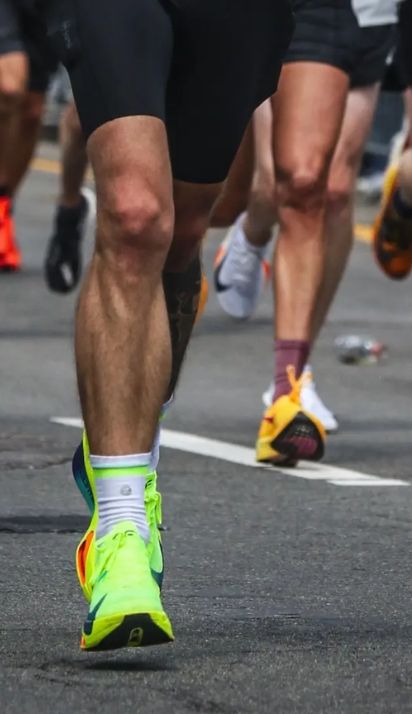
They’re especially popular for triathlons, where every second in transition matters. For running shoes, having laces that stay secure mid-stride can make a real difference in performance and focus.
Kids & school shoes
Kicks Speed Laces or Elastic Buckle Lock systems both work well here.
They’re easy enough for kids to use independently, yet secure enough to last through a full day of school and play.
This range works across all ages, from young children through to teenagers who simply don’t want to deal with tying laces. For developing fine motor skills, they can also be a small but meaningful confidence boost.
Seniors
Magnetic Lock Shoelaces stand out in this category.
No threading, no small toggles, just two ends that connect with a simple click. Combined with elastic stretch, they provide a secure, comfortable fit without requiring grip strength or dexterity.
Simple, reliable, and designed to make daily life easier for anyone who finds bending down or fine motor tasks challenging.
Accessibility
All five Kicks systems are designed to make everyday footwear easier to manage. For users with reduced dexterity, Magnetic Lock systems are often the simplest option, while Silicone and Capsule Lock systems are popular with people looking for low-maintenance, easy-to-use alternatives to traditional shoelaces.
We are currently working with the National Autistic Society (UK), and have partnered with organizations including Aspect Australia, Autism Speaks USA, One Small Step USA, Special Olympics South Dakota, and multiple sclerosis organizations across the United States.
No-Tie Elastic Laces vs Silicone Laces

|
Type
|
Best for | Appearance | Ease of use | Lock System | Shop |
|---|---|---|---|---|---|
| Silicone Laces | Everyday wear | Clean, minimal | Easiest | Individual strap tension | Shop silicone laces |
| Bungee Elastic Laces | Sport, running | Sporty | Very easy | Nylon lace locks | Shop speed laces |
| Flat Elastic Laces | Everyday wear | Traditional sneaker look | Easy | Press-clip buckle. | Shop buckle lock laces |
| Flat Elastic Laces | Everyday wear | Traditional sneaker look | Easy | Magnetic locking system | Shop magnetic lock laces |
| Flat Elastic Laces | Everyday wear | Traditional sneaker look | Easy | Capsule locking system | Shop capsule lock laces |
Note: Most no-tie systems are trim-to-fit and designed to be secured in place once during initial setup. If you want the flexibility to adjust tension on the go, Kicks Speed Laces are the best option, followed by using elastic laces with shoelace anchors.
Hardware & accessories
Already have a pair of no-tie laces and want new sneaker accessories to upgrade your look? Kicks also offers Buckle Sets and Anchor Sets, sold separately, so you can mix, match, or replace hardware as needed.
- No-Tie Buckle Set. Available in three finishes: polished gold, classic silver, and gunmetal grey (12 no-tie shoelace buckles total).
- Lace Anchor Set. Includes 12 classic silver anchors.
Both are designed for flat, no-tie laces (approximately 8mm wide) and are made from lightweight alloy.
A small detail, but one that makes a noticeable difference to the overall finish of your shoes.
How to install no-tie shoelaces

The process varies slightly depending on the system, but the general steps are the same:
- Remove your existing shoelaces
- Thread the new elastic shoelaces through the eyelets, following the original lace pattern
- Attach the locking mechanism at the top of the shoe
- Adjust the tension until the fit feels comfortable and secure
- Trim away or secure any excess lace as directed for your system

Kicks Shoelaces also provides step-by-step installation infographics for each system to guide you through the setup process:
How To Install No-Tie Shoelaces
Are they actually secure?
Yes, and this is the question most people ask before committing.
Elastic shoelaces are made to maintain tension through movement, while the locking systems, whether buckle, magnetic, or cord, are designed to stay firmly fastened.
The key factor is installation. When fitted correctly and adjusted to the right tension, no-tie shoelaces are just as secure as traditionally tied laces.
Set them up properly, and you’ll quickly forget you ever had to deal with knots.
Frequently asked questions
Will no-tie shoelaces fit my shoes?
Most elastic shoelaces fit standard eyelets. If your shoes have unusually thick eyelets or a non-standard lace pattern, we recommend checking the product page or contacting us before ordering.
Kicks offers five different systems because different shoes, and different people, have different needs.
Can kids use them independently?
Yes — that’s one of the main benefits.
An adult will typically need to fit and set up the laces initially to ensure the correct tension and fit.
After that, children can put their shoes on without needing help, which can make a big difference in day-to-day independence and confidence.
Do they come in different colors?
Yes. Kicks offers a range of colors across the full product line. Browse the collection to find the style that best suits your shoes.
How long do they last?
High-quality elastic shoelaces are designed for long-term use and are built to withstand daily wear.
They resist fraying and maintain their stretch and structure over time. Magnetic components are also engineered for repeated, reliable use.
Can I wash them?
Many no-tie systems are fixed in place once installed, so wiping them down is often the simplest and most effective way to keep them clean and well-maintained.
Why Kicks shoelaces?
Kicks isn’t just another shoelace brand. Our partnerships with disability and accessibility organizations have shaped both our products and the way we design for real-world use.
Kicks Shoelaces has worked in partnership with Aspect Australia, Autism Speaks USA, One Small Step USA, the National Autistic Society (UK), Special Olympics South Dakota, and multiple sclerosis organizations across the United States.
This reflects years of working with communities that rely on products to perform exactly as expected. It means consistent availability, a wide range of colors and sizes, and designs built for everyday use.
Ready to ditch the knots?

Whether you're buying for a child heading into a new school year, training for your next race, supporting someone with reduced mobility, or simply looking for a more convenient way to wear your favorite shoes, there's a Kicks no-tie shoelace system designed to suit your needs.
Explore our complete range of No-Tie Shoelaces to compare every system and find the best fit for your shoes and lifestyle.




Leave a comment
This site is protected by hCaptcha and the hCaptcha Privacy Policy and Terms of Service apply.